
Finds & material
Bronze Age Cypriot tombs reveal ritual plant bouquets
Analysis of 3,400-year-old charred plant remains from tombs at Hala Sultan Tekke shows diverse botanical deposits, including cereals and flowers, used in burial practices.
Analysis of 3,400-year-old charred plant remains from tombs at Hala Sultan Tekke shows diverse botanical deposits, including cereals and flowers, used in burial practices.
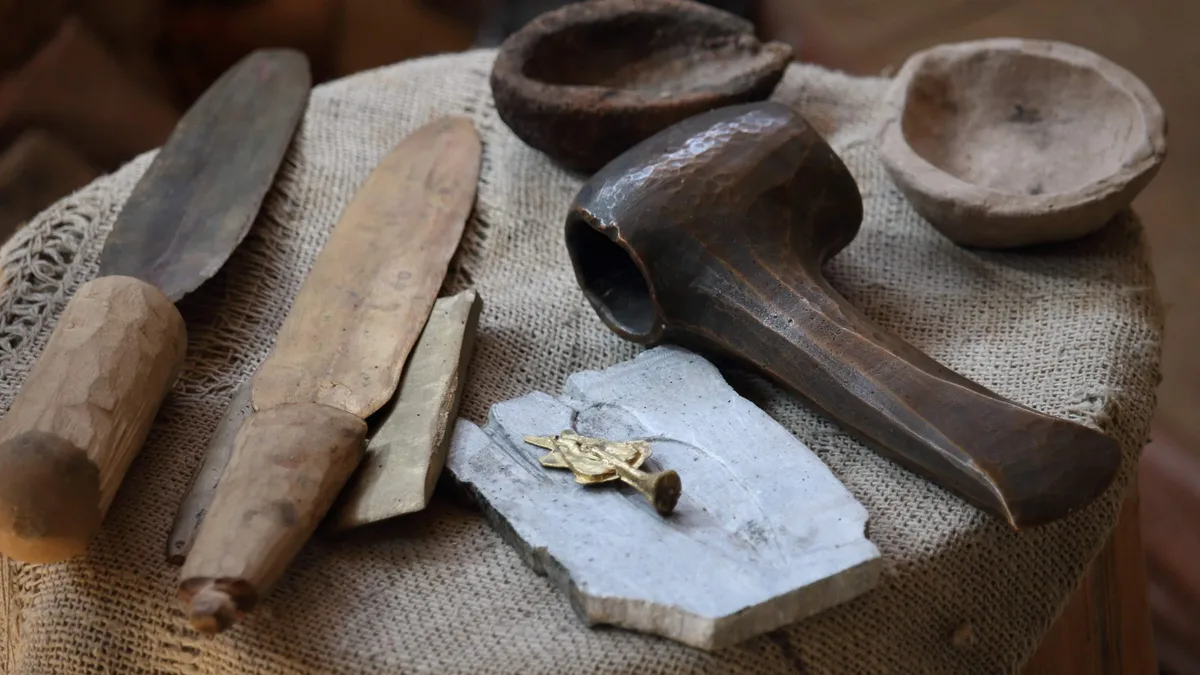
Thirteen impressions of wooden Neanderthal tools, including long spears and a club, were identified in travertine at the Abric Romaní rock shelter in northeastern Spain, dating from 40,000 to 62,000 years ago.

A unique silver penny issued by King Olaf Haraldsson has been identified within Norway's vast Mørstad Hoard, offering new evidence of how Viking rulers used coinage to promote Christianity and royal authority.

A rare double-portrait mummy panel from Roman Egypt has been conserved, while new research suggests Neanderthals may have used birch tar as an antibacterial agent.

A deep genetic study reveals the hunter-gatherer Hadza and forager-farmer Tsimané share over 1,200 gut bacterial species, a core microbial heritage dating back to pre-migration human ancestors in Africa.
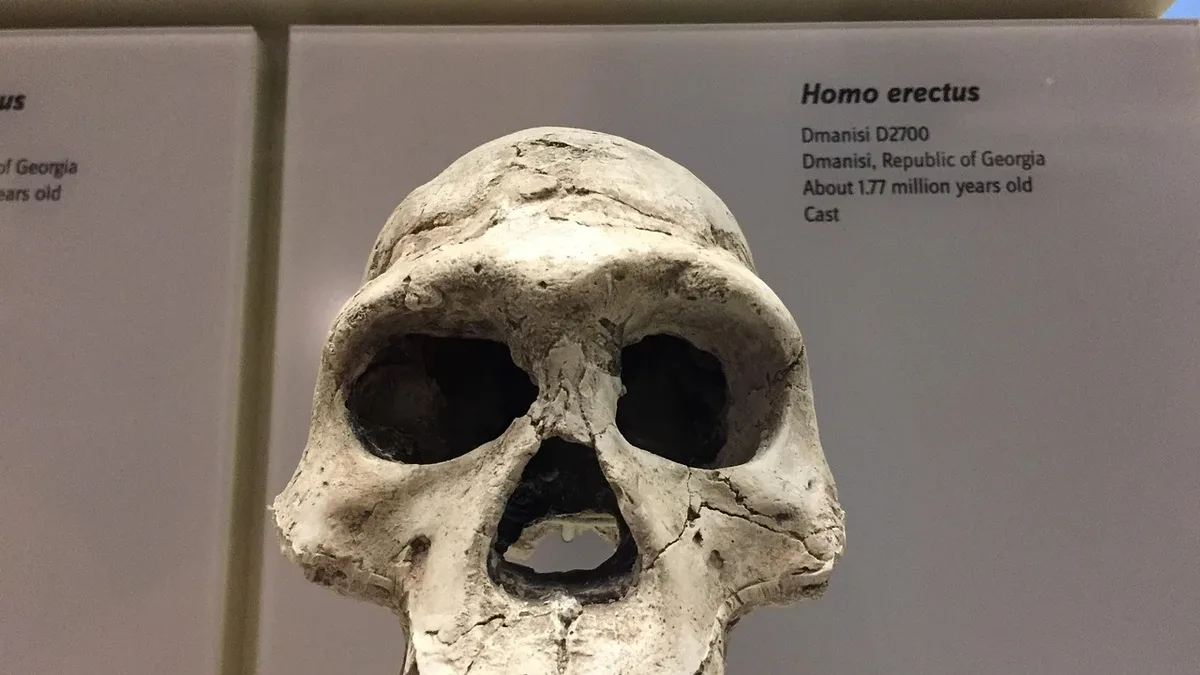
A 2026 excavation at Kayalıpınar in central Turkey has uncovered the largest Hittite-language archive of the 21st century, with 131 new tablets detailing a royal epidemic and military pleas from 3,400 years ago.
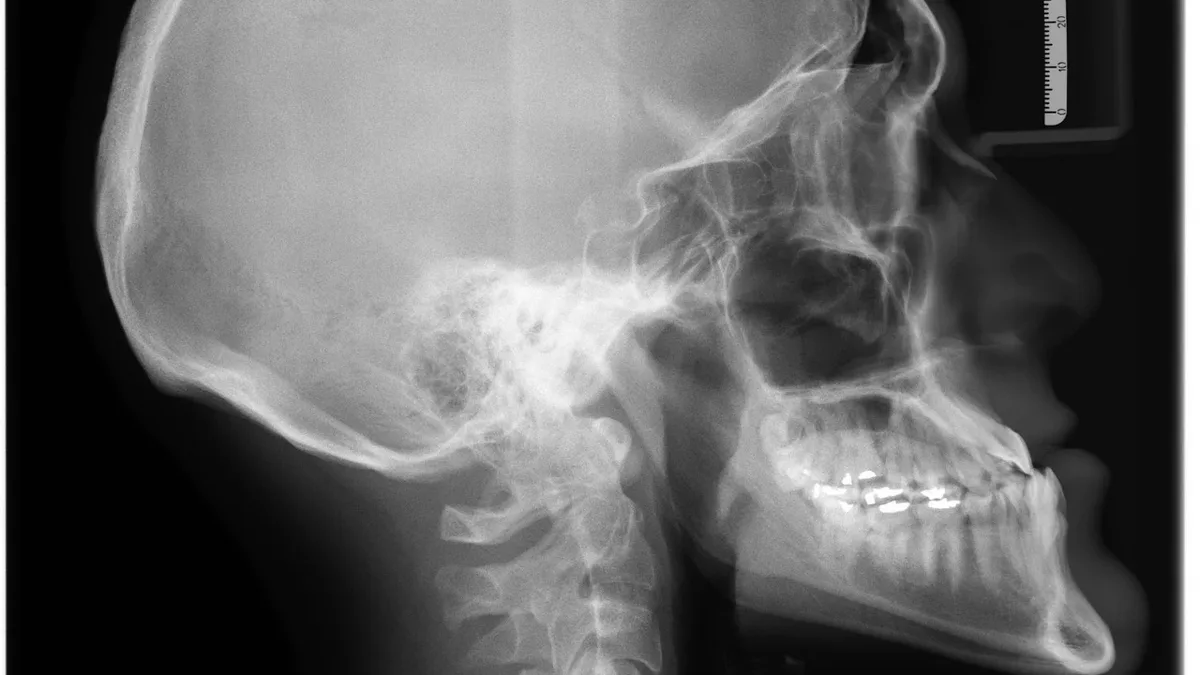
A digital facial reconstruction of the Punín-2 skull, from Ecuador's Andes, depicts an Indigenous American man who lived roughly 3,000 years ago.
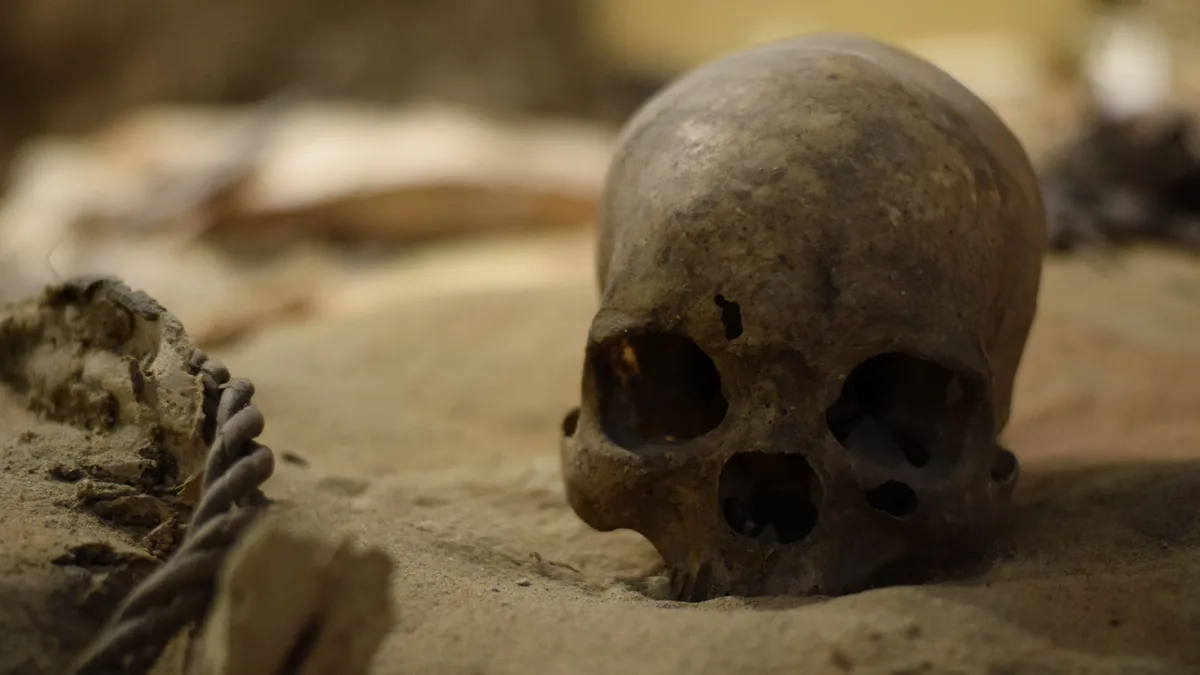
A re-analysis of 5,000-year-old skulls from royal tombs at Abydos has found fatal blunt-force trauma in 18 individuals.
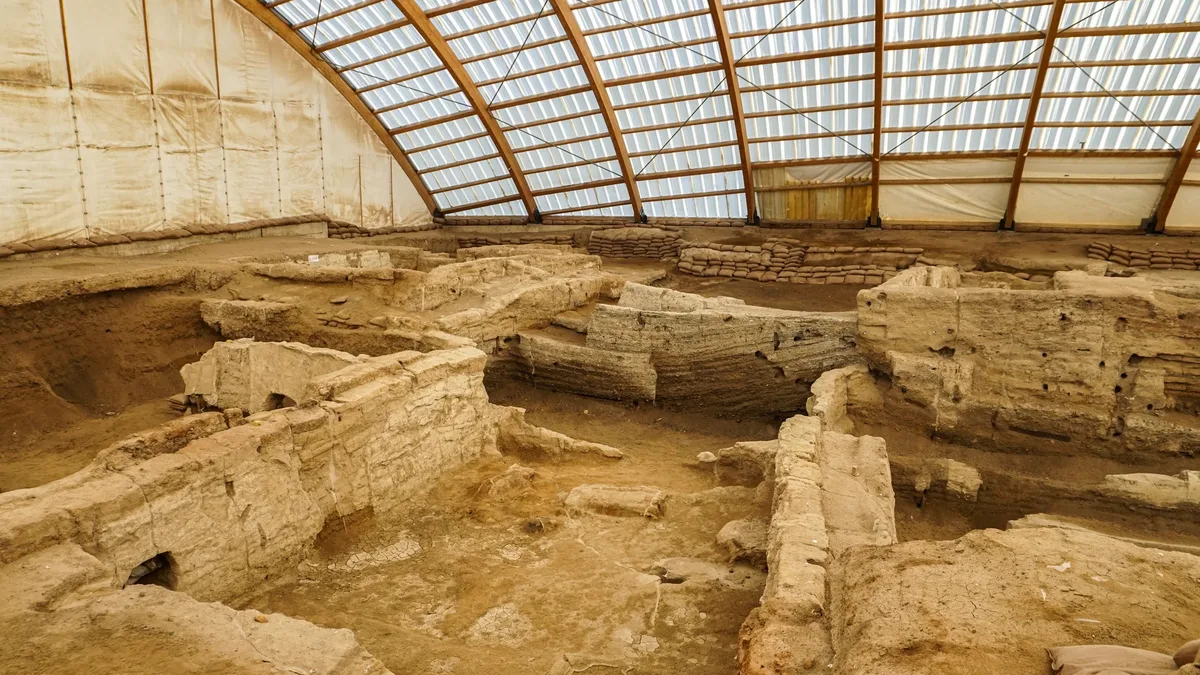
A rare 4,000-year-old stone cist grave has been professionally excavated in Halden, Norway, one of only about 20 known in the country.
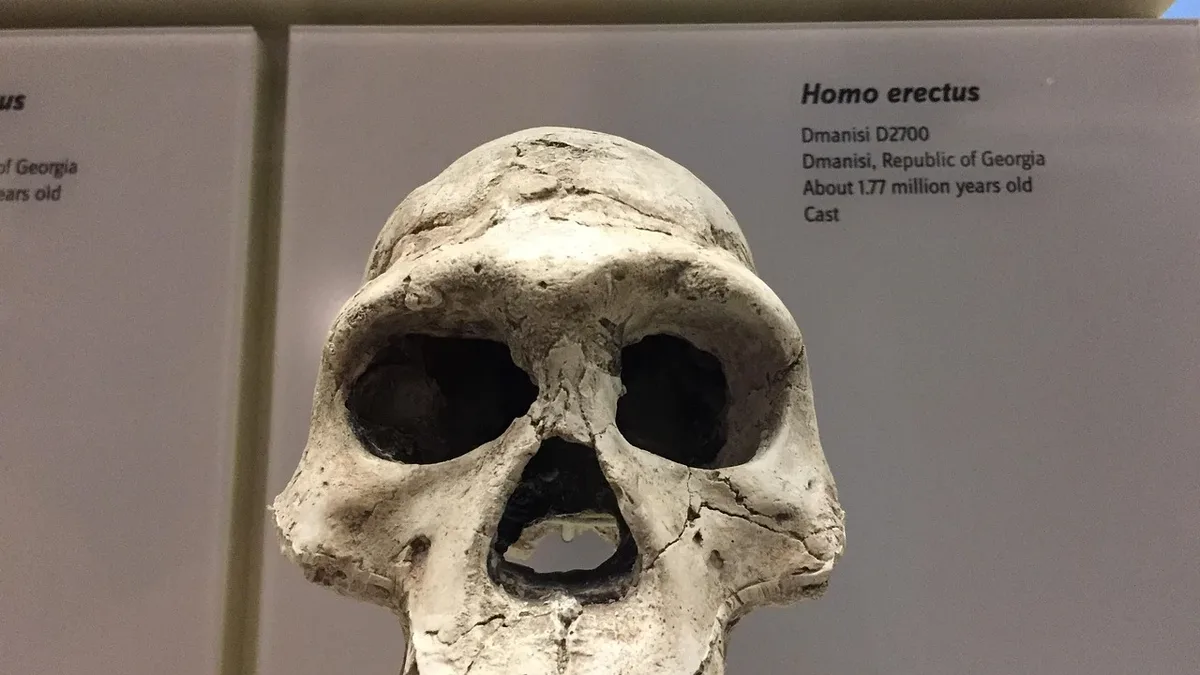
A forensic facial reconstruction of the 3,000-year-old Punin-2 skull from Ecuador, created with local community input, shows clear Indigenous American features.
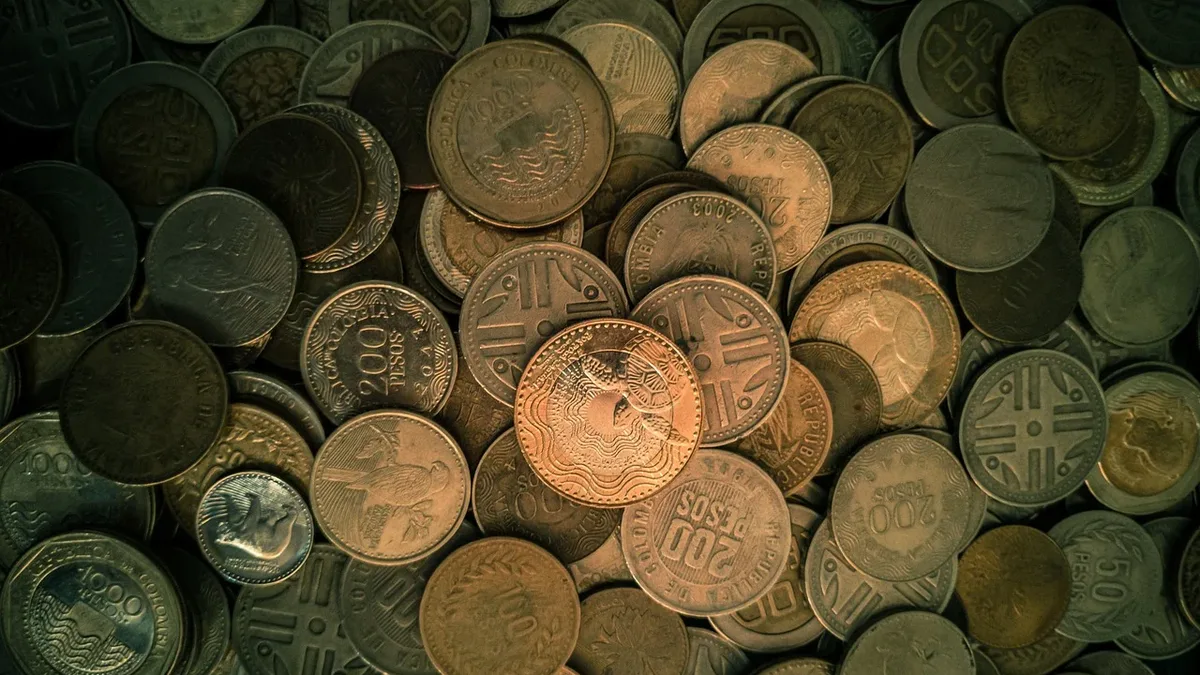
A hoard of over 5,200 Viking Age coins, the largest ever found in Norway, has been unearthed by metal detectorists and archaeologists at a farm in eastern Norway.
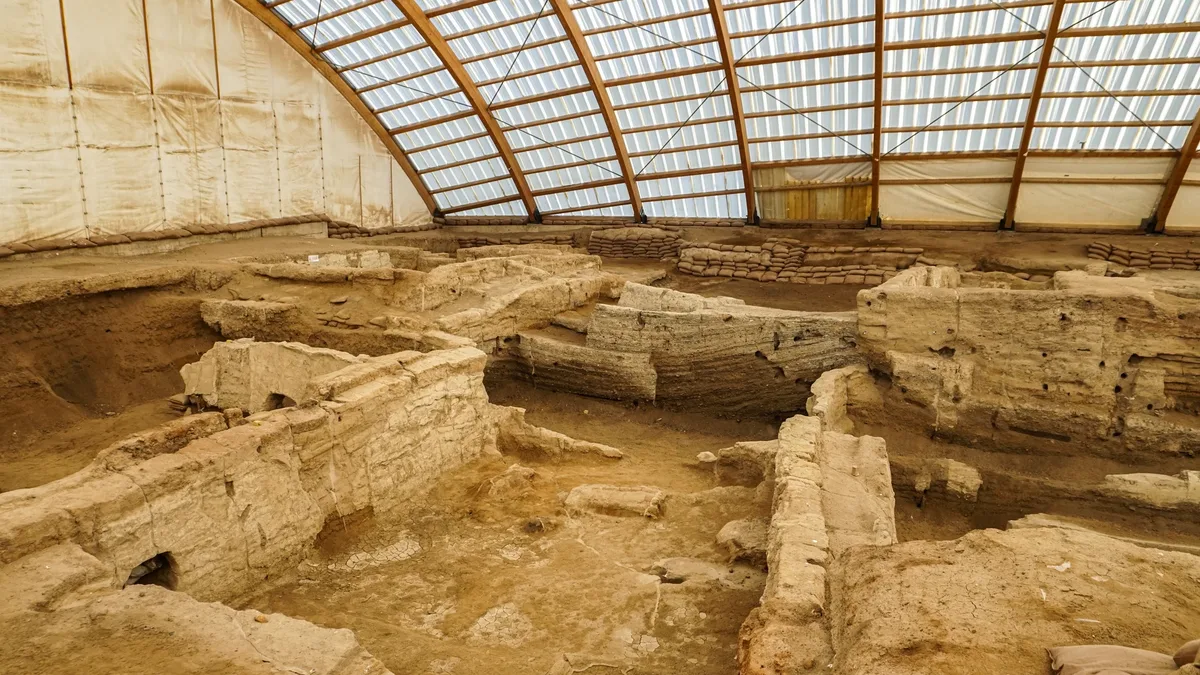
Archaeologists have uncovered extensive evidence of a wealthy sixth-century monastery on Lismore, Scotland.
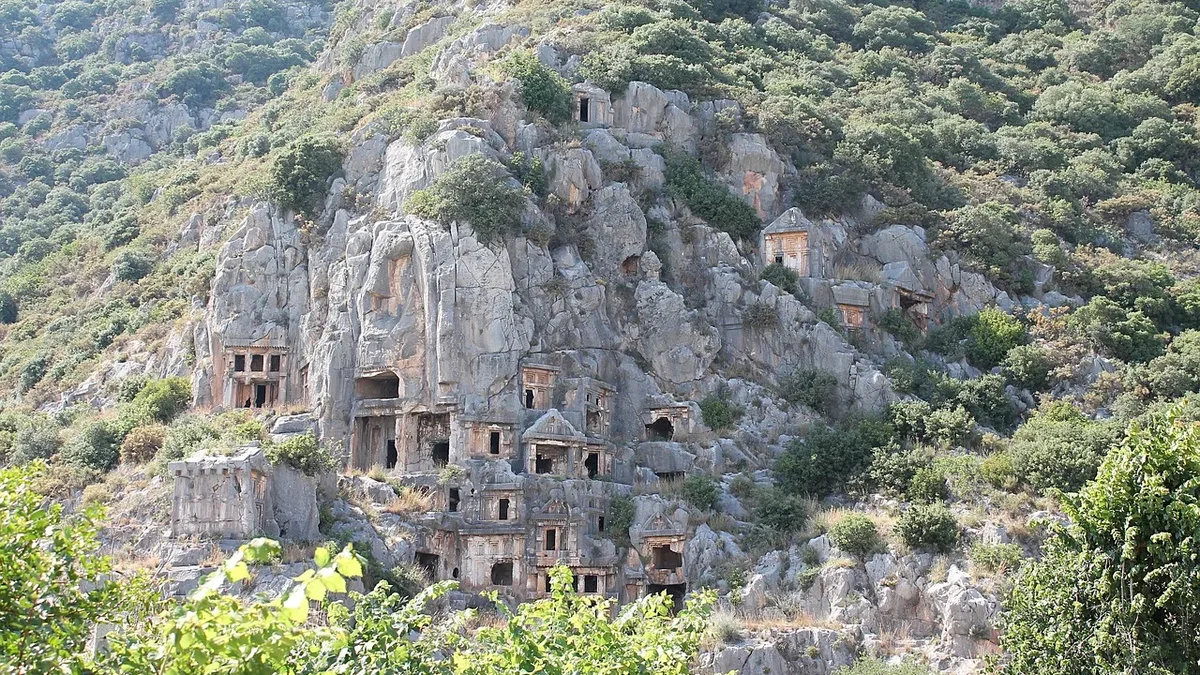
Acoustic and AI analysis of two fifth-century B.C. Etruscan painted tombs reveals they were engineered as multisensory environments.
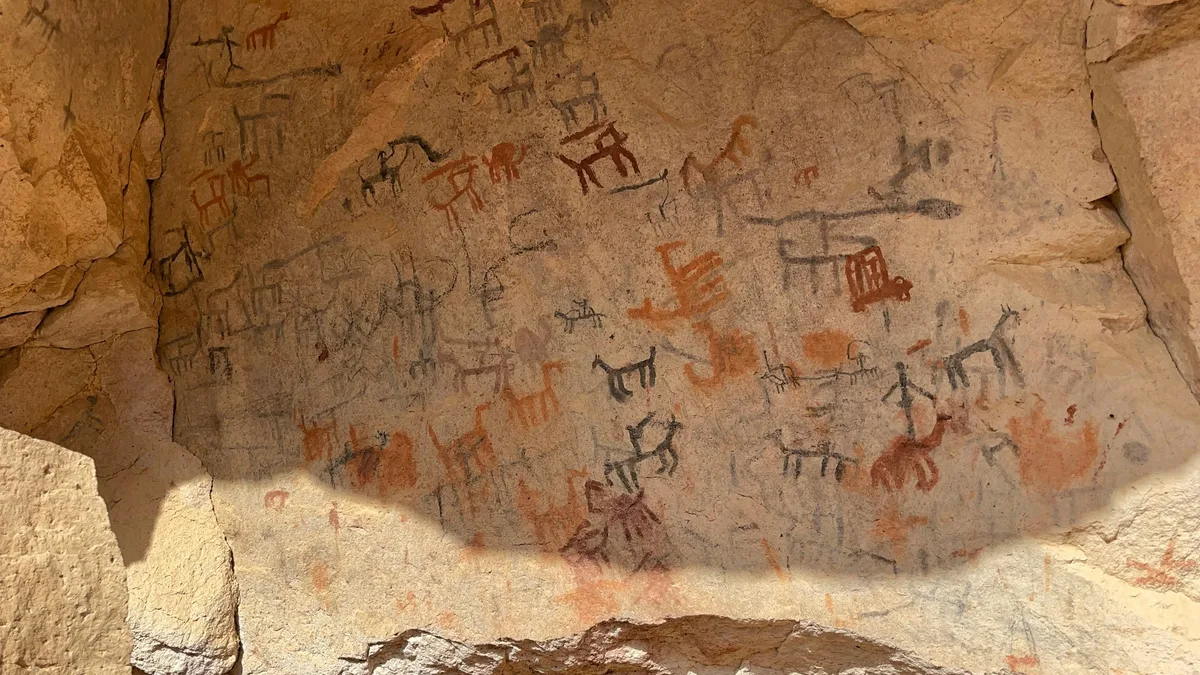
New analysis of three red-painted glyphs in a Mexican cave provides the strongest evidence yet that Teotihuacan developed a genuine logo-phonetic writing system.
The site, the dig season and what the material culture actually shows. Regions & periods and Finds & material organise the record, Methods covers excavation and dating, Ethics & heritage covers repatriation and looting, and Fieldwork & careers covers working in the discipline.
Careful enough to keep the claim with the claimant. A dating result or an identification is attributed to the excavation team or journal that published it, and where specialists dispute it the dispute is reported rather than resolved.
From journals, university and museum announcements, heritage agencies and named publications, credited and linked in each piece. Nothing here is a field report of our own.
No further than the source did. Unprotected sites attract looting, so pieces stay with the level of detail the excavators chose to make public.
They are written with automated assistance from the source material and published without a personal byline, crediting the source publication instead. Nobody here is presented as an archaeologist.
The Corrections page asks for the article address and the specific claim you believe is wrong. Corrections are made on the article with a dated note at the foot, and substantive ones are listed there.


